


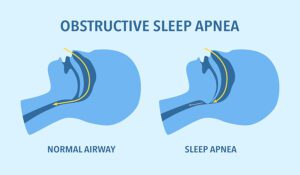
 The epilepsy medication sulthiame, also known as Ospolot, has shown promising results in reducing obstructive sleep apnoea and its effects, according to a recent study.
This included improving sleep quality and reducing daytime sleepiness.
The Lancet study by Prof Winfried Randerath and colleagues found “consistent and dose-dependent” reduction in breathing disturbances when using 100mg, 200mg and 300mg of the medication once per day.
Prof Randerath said: “The findings can be described as sulthiame leading to substantially fewer breathing interruptions during sleep, improved oxygen levels at night and improved daytime alertness in a clinically relevant subgroup.”
The most common adverse events that happened during the study were pins and needles (paraesthesia), headache, COVID-19 and the common cold.
Prof Randerath explained that the study was carried out during the COVID-19 pandemic, so the reported COVID-19 cases during the study most likely occurred “by chance”.
He said that the pandemic meant that “participants were exposed to a high and fluctuating background risk of infection [from COVID-19] over the study period.”
He added: “COVID-19 and common cold are not considered known side effects of sulthiame based on its mechanism of action or its long-standing clinical use in epilepsy.”
Epilepsy and sleep apnoea
Sulthiame is currently approved for use for a form of epilepsy called SeLECTS (Self-Limited Epilepsy with Centrotemporal Spikes), which starts between the ages of four and 10 years. Children usually experience focal seizures, and outgrow the condition in their teens.
As well as treating seizures, sulthiame’s ability to treat sleep apnoea may also benefit others with epilepsy and sleep apnoea.
Epilepsy Action says people with epilepsy have a higher chance of also having a sleep disorder. Sleep disorders can affect seizure patterns or the fatigue and tiredness can trigger seizures in some people.
A 2023 US study from the journal Sleep also found that there may be a link between sleep apnoea and low oxygen levels and late-onset epilepsy. The study found a three-times greater risk of developing late-onset epilepsy in people whose blood oxygen levels fell below 80% during sleep.
Prof Randerath and the team concluded that sulthiame showed improvements in obstructive sleep apnoea, and its effects and was well tolerated.
Sleep apnoea is often treated with a machine that delivers air through a mask, known as continuous positive airways pressure (CPAP). Studies have suggested that up to half of people stop using this machine in the long term.
The researchers said that future studies are needed which are larger and longer duration to validate the findings of this study and find the most appropriate dose and the patients who would benefit most.
More articles