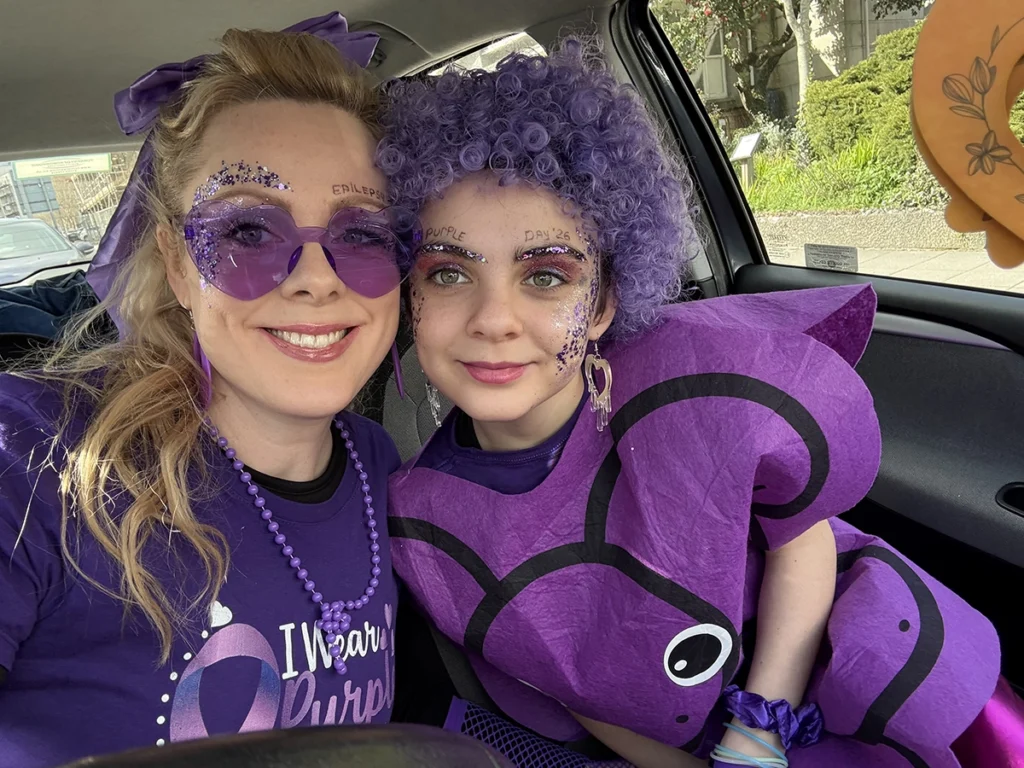
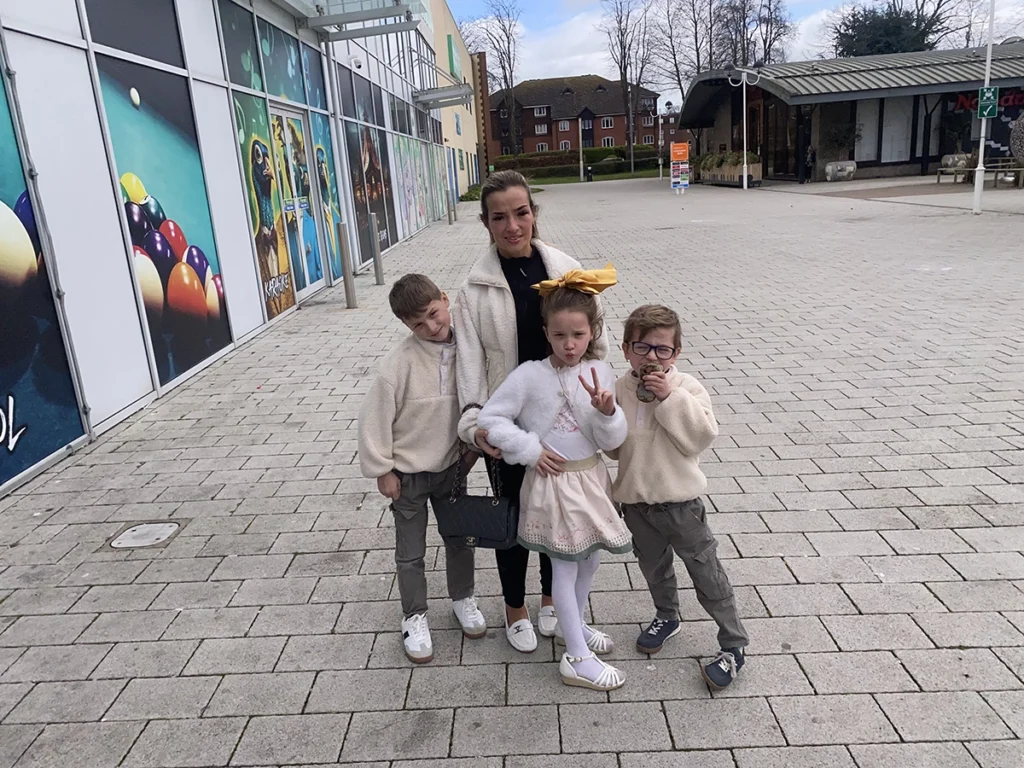
Katherine wins May Star Award for raising awareness, tackling isolation and supporting her daughter with epilepsy
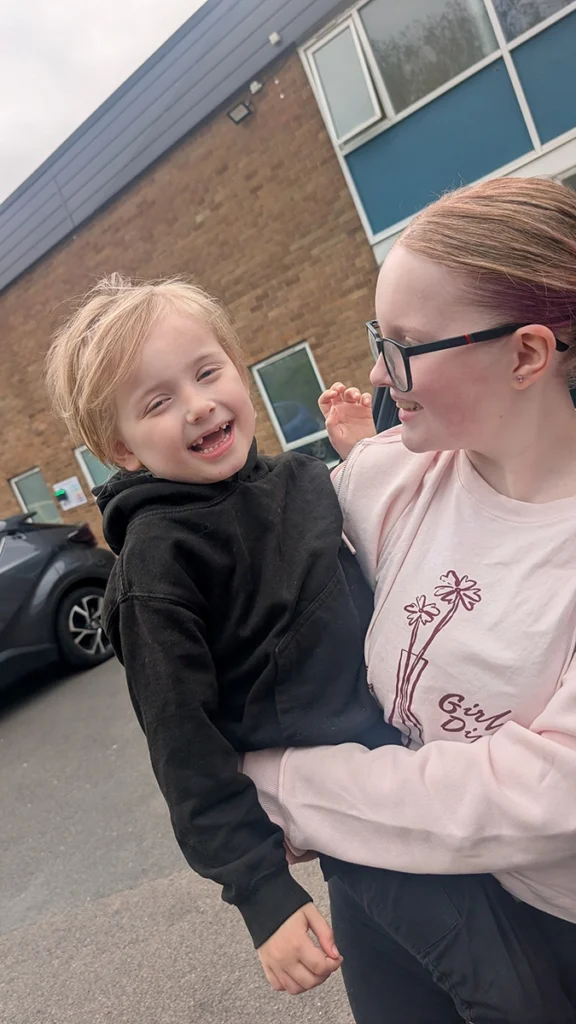
May Star Award winner Katherine has been working with organisations, creating meet-ups and educating the community to help support people with epilepsy.
Read Katherine wins May Star Award for raising awareness, tackling isolation and supporting her daughter with epilepsy
Anita’s story
Anita is sharing her experience of the profound and often traumatic impact seizures can have, not just on memory, but on sense of self, identity, and…
Read Anita’s story
Madeline’s story
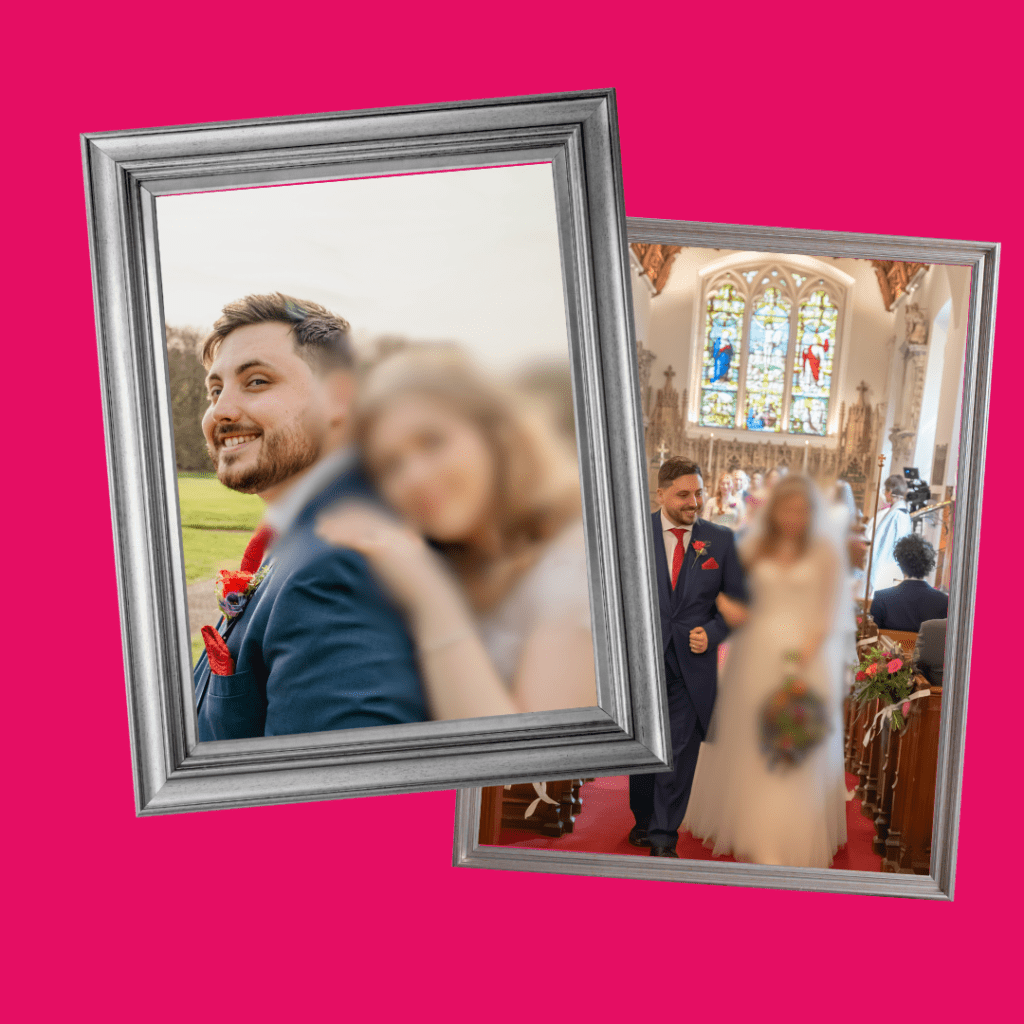
For Madeline, her wedding day stands out as the memory she wishes she could hold onto most. What should be a clear and lasting memory…
Read Madeline’s story
Tayyibah’s story
As a devout Muslim, daily prayers are an important part of Tayyibah’s life and faith. However, following seizures, she can lose track of the sequence…
Read Tayyibah’s story
Tristan’s story
Tristan knows only too well the aftermath of how his seizures can impact his memory.
Read Tristan’s story
Molly’s story
Molly vividly remembers the excitement leading up to her first cheerleading competition – the anticipation, the preparation, and the sense of achievement in getting there.…
Read Molly’s story
Tyler Hartley wins April Epilepsy Star Award for resilience through epilepsy challenges
Seven-year-old Tyler lives with daily seizures and multiple medications, but despite these and other medical challenges, he “still finds a way to smile – and…
Read Tyler Hartley wins April Epilepsy Star Award for resilience through epilepsy challenges
March’s Star Award: Jacob, Rosemary and Benny-Lee’s story
March’s Star Award winners – three children always on hand to help their mum with her epilepsy
Read March’s Star Award: Jacob, Rosemary and Benny-Lee’s story
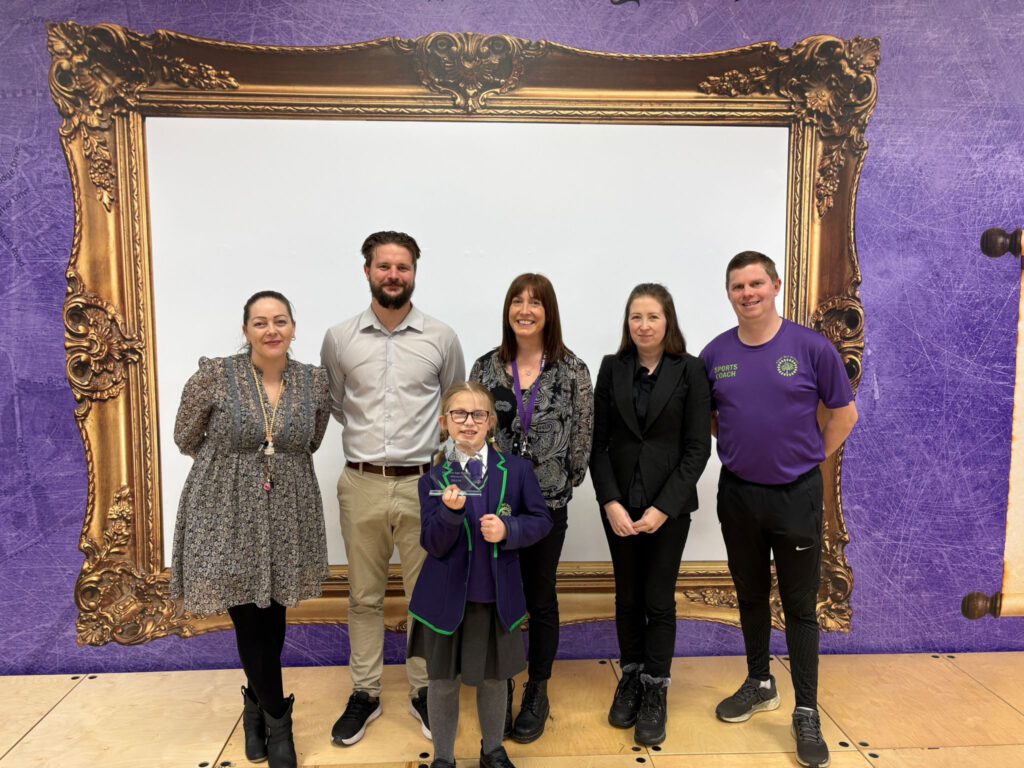
Chapel Hill Primary School
Read Chapel Hill Primary School