




 Missing memories is something many people with epilepsy experience. Memory problems are common – often either from their condition itself or from the medication they need to keep seizures at bay. There are times when this is inconvenient and frustrating, like having to rely on alarms to remember medication or wondering where you left your keys.
But at times, epilepsy can rob people of some of the most important, meaningful and precious moments of their lives – weddings, holidays or the birth of their children. This can be a heart-breaking side of the condition that often goes unseen or misunderstood.
Missing memories of giving birth
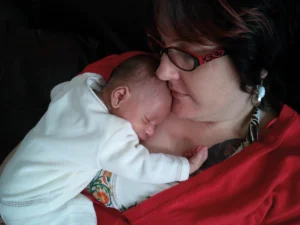
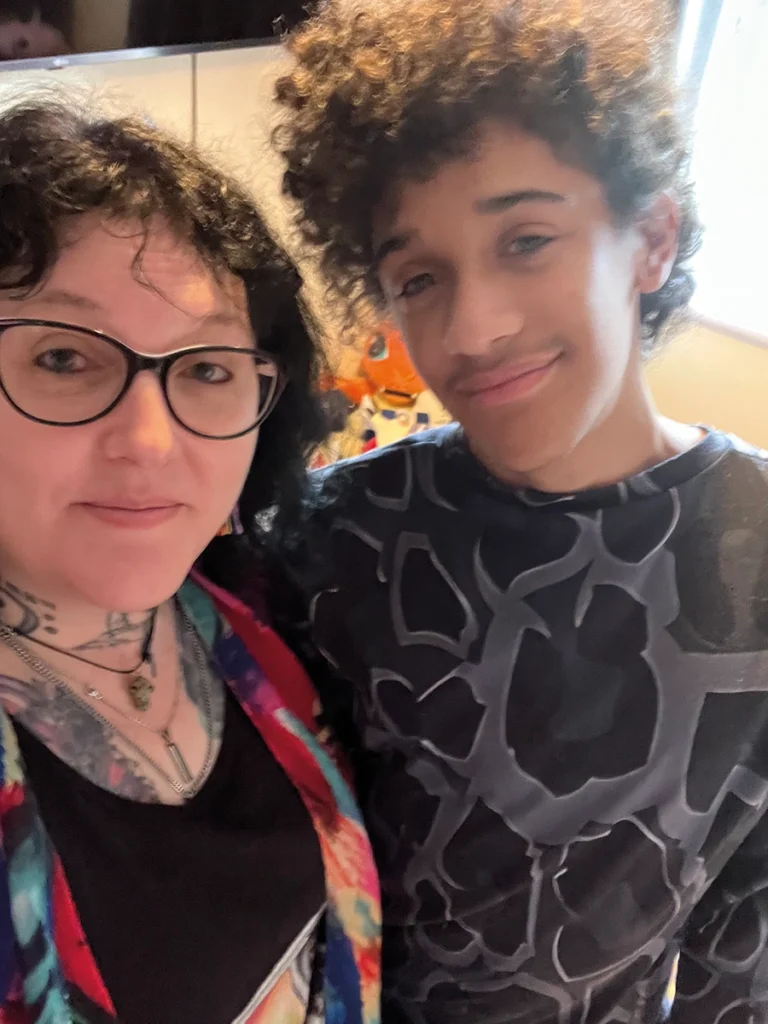
Amy-Jane Foster, 45, from Hampshire, who was diagnosed with epilepsy aged 11, has no clear recollection of the day her son Joe was born.
“I’ve been told what happened, but I don’t remember it,” she said. “There are just flashes – my waters breaking, bits of labour… then nothing.”
Joe was born early and was taken away for urgent care. Shortly after, Amy, aged 30 at the time, had a severe tonic-clonic seizure and was in and out of hospital for nine weeks.
It was only later that the full extent of what had been lost became clear.
“After my second brain operation, I realised two years of memory had just disappeared. I had lost the first two years of my son’s life!”
‘Forgetful or unreliable’
While not everyone with epilepsy experiences memory loss on this scale, many people say it is a daily reality.
From missed conversations to forgotten plans, it’s often the small, everyday moments that quietly slip away – with some people being labelled as “forgetful” or “unreliable” for something beyond their control.
Others describe relying on reminders, routines and support from those around them just to stay on track each day.
In a recent Epilepsy Action poll, responses from the community show just how common and disruptive memory problems can be for people with epilepsy.
Nearly nine in ten people say they rely on reminders at least some of the time, while more than eight in ten say they have been misjudged as ‘forgetful or unreliable’.
Around seven in ten say epilepsy affects their everyday memories and for some the impact goes even further with one in five saying it has affected major life moments.
Need more understanding
Amy-Jane hopes speaking out will help people better understand what living with epilepsy can be like.
“Memory problems are part of epilepsy for many of us. It doesn’t mean we are lazy or not trying – we just need a bit more understanding.”
Jon Eaton, director of communications and digital engagement for Epilepsy Action said: “Every year, we hear from thousands of people suddenly isolated by a condition that can rob them of consciousness at a moment’s notice. Alone, they struggle to regain control, while missing the key memories that make them who they are.
“This National Epilepsy Week we are asking people to imagine what that feels like.
“We help people who can longer recognise the lives they are living to get back to living well.
“You the public, can help by reaching out – by helping to fill in the blanks and talking to people with epilepsy in your lives, showing understanding, compassion and support in those everyday moments.”
Have you experienced missing memories of big life events because of your condition? You can share your story on the Epilepsy Action website.

Share your story
Sharing your story can help others feel less alone.
Help us to spread the word by signing up below.