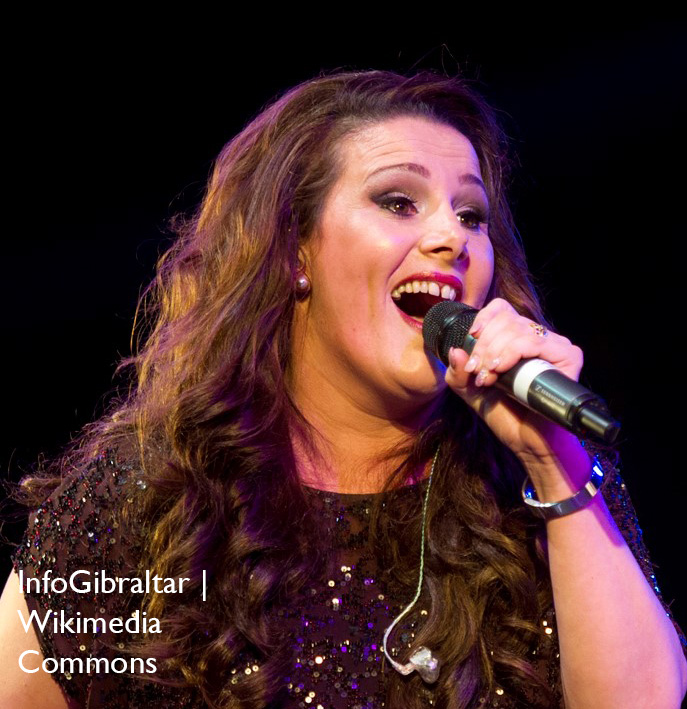




 Epilepsy Action ambassador Paula McGowan has said she feels “betrayed” and “disgusted”, after finding out her son Oliver’s medical records had been accessed by NHS staff who had nothing to do with his care, years after his death.
Oliver, who was autistic and had a mild learning disability and epilepsy, died in 2016 at the age of 18, after being admitted to hospital for focal seizures. He was given an anti-psychotic medication which he and his family had warned he was intolerant to.
A review of Oliver’s care found that his death may have been avoidable. Paula became an activist for the equal health and social care for autistic people and those with intellectual disabilities.
After requesting information about Oliver’s medical records, Paula was told at least five members of staff may have accessed Oliver’s records inappropriately.
Three members of nursing staff not involved in his care are currently under formal investigation, as well as a fourth member of staff. A doctor no longer at Bristol NHS Foundation Trust has referred themselves to the General Medical Council.
Inappropriate access to medical records
Earlier this year, an investigation by Health Service Journal and Sky News found that more than 200 NHS staff have been fired and 2,000 sanctioned for inappropriate access to patient records in the last five years.
Oliver’s records had been accessed as recently as March this year.
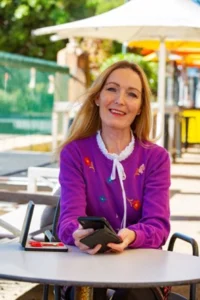 In an interview with Sky News, Paula said that Oliver’s records include deeply personal elements that the family don’t disclose to the public.
“Oliver’s death was horrific. He died in pain, and it was horrible to watch your teenage son die like that. He’s been brought into hospital having seizures, and now he’s dying. That was personal, and they felt the need to go looking further.
“This is the caring profession, but I don’t feel that Oliver, even in death, is being cared about or for.”
Bristol NHS Foundation Trust has apologised for the data breaches and the stress and anxiety they have caused and said they are carrying out an investigation into the data breaches.
Paula said she wants to see actions and accountability from senior management, adding: “They’re not doing enough.”
Oliver’s legacy
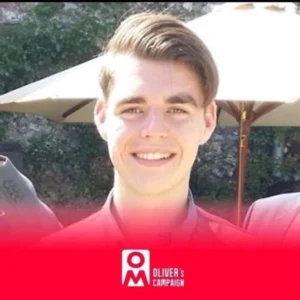 Oliver had been part of the England development football squad and training to become a Paralympian. Paula said he had “incredible insight” into his own epilepsy and that he didn’t want to be seen as different, but just the same as his friends.
A review of Oliver’s death in 2020 found that it was avoidable.
Speaking to Epilepsy Action about Oliver, Paula said: “Oliver’s seizures were poorly understood by health, care and education staff. Oliver had simple focal seizures. He would remain conscious throughout his seizures, which caused him to be scared, anxious and confused.
This behaviour, which we believe most people would display while having a seizure like Oliver’s, led to hospital staff administering antipsychotic medication. Oliver was not mentally unwell or psychotic.
“Clinicians did not understand that the behaviours Oliver was displaying were typical of when he was having a seizure. This led to Oliver’s avoidable death at just 18.”
The family set up Oliver’s Campaign and successfully launched a parliamentary petition which made it mandatory from 28 April 2022 for health and social care staff to have intellectual disability and autism awareness training.
Paula has received awards for her activism work, as well as an OBE in 2021.
You can read more about epilepsy and intellectual disability on the Epilepsy Action website, as well as more on Paula and Oliver’s story.
More articles