



 Children with epilepsy whose seizures begin earlier in life, have neurodevelopmental challenges or need more epilepsy medications have a higher risk of having ADHD, according to a new study.
Attention Deficit/Hyperactivity Disorder (ADHD) is a condition where the brain works differently to most people, according to the NHS.
The research by Guang Ni and Dong Meng in the journal Epilepsy & Behavior was a meta-analysis of 12 studies looking at epilepsy and ADHD in children.
The authors wrote that ADHD is the most common neuropsychiatric condition in children with epilepsy. They said ADHD is estimated to affect almost one third of children with epilepsy in the largest study in their analysis, but the researchers explained that it is still underdiagnosed in this group.
This could be due to similarity in the symptoms of the conditions, the complexity of the diagnoses or because of a lack of “standardised screening protocols”, they explained.
Children with both conditions can have worse seizure outcomes and quality of life, and more struggles with their healthcare and schooling.
The research looked at different diagnostic tools, finding that one called the SDQ-Hyperactivity scale was the most accurate in diagnosing ADHD in children with epilepsy.
The researchers said that as well as earlier seizure onset, higher number of epilepsy medications needed and neurodevelopmental challenges, the male sex and additional medical conditions were also risk factors for ADHD in children with epilepsy.
The researchers conclude: “Children with poorly controlled seizures, early onset epilepsy and those receiving polytherapy warrant heightened screening vigilance.
“Implementation of systematic ADHD screening targeting high-risk subgroups may substantially improve early identification and intervention outcomes.”
ADHD overview
What is ADHD?
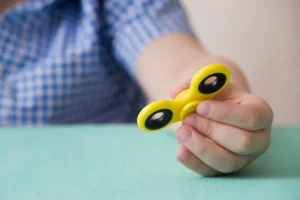 ADHD is a condition affecting the way a person’s brain works. The NHS explains that symptoms usually start before the age of 12 and can affect a person’s ability to pay attention to things, their ability to control impulses and cause them to have high energy levels.
In children, it could look like forgetfulness, being easily distracted, fidgeting or having a lot of energy.
The NHS stresses that many kids can be forgetful, distracted and energetic, especially under the age of five, and this isn’t always a symptom of ADHD.
What should I do if I think my child has ADHD?
The NHS recommends speaking to your child’s school educational needs co-ordinator (SENCO) to discuss help at school.
If further support is needed, you can speak to your GP, who may rule out alternative conditions, and recommend groups or training for parents.
You can also ask your GP or SENCO for an ADHD assessment. The wait for this could be months or years, but you could find a clinic with shorter wait times using the Right to Choose scheme, the NHS explains.
What can I do to help my child with ADHD?
The NHS recommends making time for exercise that your child enjoys, regular sleep and meals and controlling any food or drink that seems to affect their symptoms.
Your school’s SENCO can coordinate support at school, including splitting up tasks, giving simple instructions one at a time and writing to do lists or reward charts.
ADHD specialists can prescribe medicines to help with symptoms or sleep, or some children could benefit from talking therapies.
A 2019 study in the ILAE’s Epigraph found that ADHD medications are safe in epilepsy and do not increase seizure risk in this group.
Epilepsy Action has more information on epilepsy, learning and behaviour, which can be affected by additional conditions including ADHD, as well as autism spectrum disorder (ASD), depression, anxiety and dyspraxia.

Epilepsy, learning and behaviour
Your questions on learning and behaviour in epilepsy answered.
More articles