



 Last week’s EastEnders episodes were an intense watch, particularly for fans of the Gulati family. Ravi’s (Aaron Thiara) mental health continued to decline, as he experienced more night terrors and became increasingly paranoid. Nugget (Juhaim Rasul Choudhury) experienced another seizure and this led to a terrifying car crash.
The week came to a close with a heart-racing episode when Ravi attempted to take his own life, but was fortunately talked out of this by his family.
Tensions rise in the Gulati family
Wanting to ‘protect’ his family, Ravi locked himself, Priya (Sophie Khan Levy), Avani (Aaliyah James), and Nugget in their own home. Whilst at first it seemed like a nice idea for the family to have a day together, away from the drama of the Square, things quickly took a turn for the worse when Nugget discovered a bruise on Priya’s arm, caused by Ravi.
Nugget confronts his dad and this leads to the revelation that Ravi is the person who attacked Nugget, causing his epilepsy. Juhaim put on an amazing performance, with an emotional monologue from Nugget about how his epilepsy has impacted him.
He said: “I could have epilepsy for the rest of my life you know and that’s something I’m carrying with me every single second of the day. Not knowing when my brain, my stupid, weak, brain, might trip out. And I’ll be left on the floor like some stupid, weak mess.
“Do you know how terrifying that is? How humiliating it is?”
A failed escape…
After the shocking revelation, Priya comes up with a plan to free the family from their hostage-like situation. She convinces Ravi they need to leave Walford, and the family embark on an escape mission, stealing a car from Lauren’s car-lot.
The family almost arrive at the hospital, but Ravi notices Priya’s plan. As he demands the car be stopped, Nugget, as a car passenger, has a seizure, causing Priya to turn around to check on him and crash the car into another carrying Max, Cindy and baby Jimmy.
After a dramatic escape, everyone was okay. Nugget was checked over in hospital, but was released.
Seizures can happen anytime, anywhere
With the increasingly stressful situation, Nugget’s family have found themselves in, it’s almost unsurprising Nugget had a seizure, with stress being one of the most common triggers for people with epilepsy.
Witnessing a family member having a seizure is never easy, and can understandably be distracting. We empathise with Priya’s panic, and unfortunately we know that many families have had to quickly respond when a loved one who is a car passenger has a seizure.
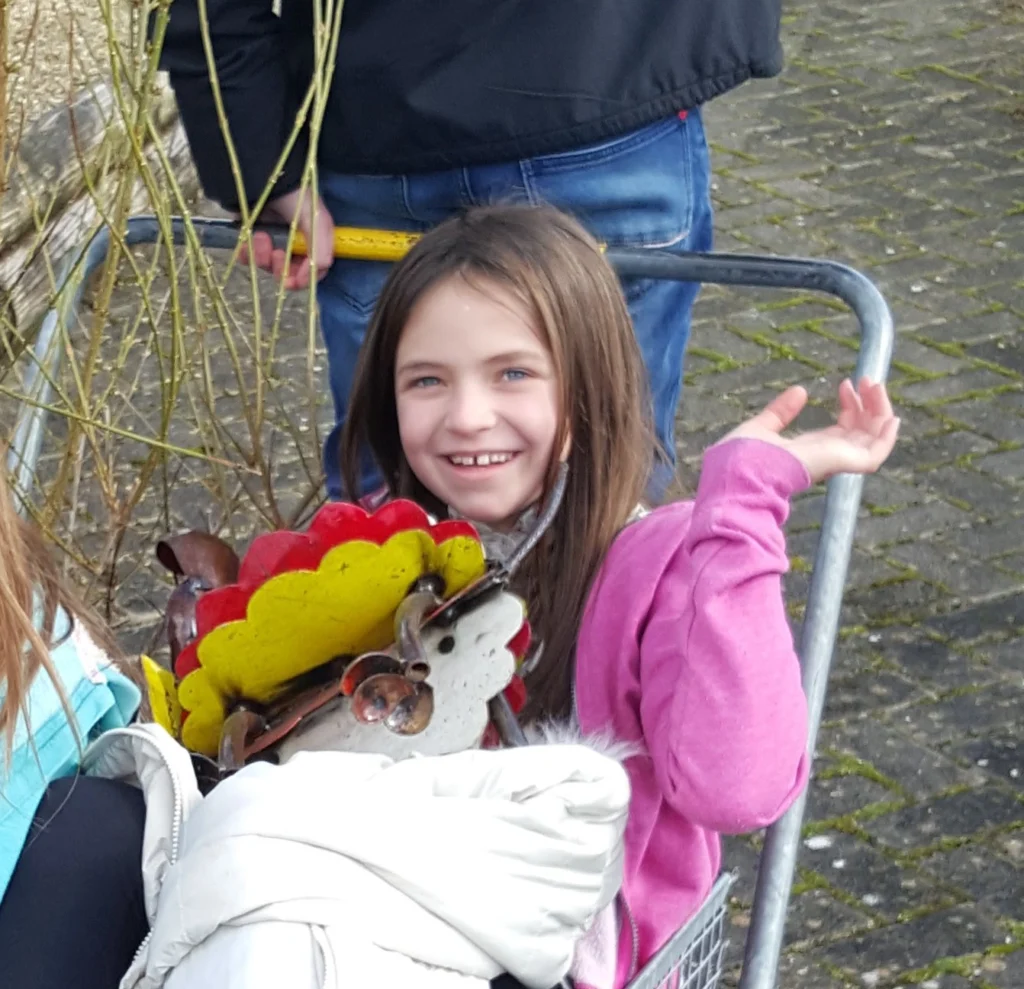
 Ruby Waterman (pictured (right) with her sister) began having seizures when she was only 9, even though she didn’t know what they were at the time. Her sister was only 10 and didn’t understand what they were.
Ruby and her family were taking a trip to France. She was in the back of the car with her siblings, looking forward to her holiday. Ruby remembers falling asleep.
“The next thing I remember is waking up to the car stopped on the hard shoulder, laying across my brother and sister in the back seat.
“I cannot imagine the fear my family felt in that moment.
“I asked my mum why we stopped. She said she needed to call an ambulance. I asked who this was for and she replied – ‘for you’.
“Being in a post seizure confusion, I promptly fell back asleep and only woke up again to a paramedic opening the car door and taking me out into the back of an ambulance.
“This seizure led to my diagnosis of epilepsy.”
What if this happens to me?
When thinking about driving with a passenger who has epilepsy it is good to talk to them to understand more about their seizures.
Some people have full seizure control and so are unlikely to have a seizure at all, or they may have seizures that have very little effect on their surroundings or safety. Some people may have an aura or be able to give you a warning that they are about to have a seizure so you can start looking for a safe place to pull over.
It’s therefore good to establish what the individual risks are and to be aware of their care plan if they have a seizure. You might also want to discuss where it is best for them to sit in the car to minimise disruption to the driver if they have a seizure.
Epilepsy Action has some advice if a car passenger has a seizure while you’re driving them:
- If someone has a seizure follow our seizure first aid advice. For tonic-clonic seizures, follow our CARE guidance. For other types of seizure first-aid, you can find more information on the Epilepsy Action website.
- Stay calm – it’s easier said than done, but it really is so important to stay calm and continue focussing on the road to keep you and your passengers safe.
- Stop the car when safe to do so – as soon as you find a safe area, you’ll need to pull over. Turn off the engine and put on the hazard lights to alert other drivers if you need to.
- Don’t move them – the person doesn’t need to be moved unless it is too dangerous to leave them where they are. You can leave the seatbelt fastened if it helps stabilise their movements.
- After the seizure it will be difficult to put them in the recovery position so monitor their recovery and help to make them as comfortable as possible being mindful of the individual and the situation.
- Depending on where you have stopped, you may need to move your car to a safer spot or alert emergency services about your car.
More articles