




The latest epilepsy news

Man unable to get his epilepsy medication dies after seizure
Kami Kountcheva | A man died following a seizure after not being able to access his epilepsy medication from his pharmacy. The Charlie Card can…
Features
Wales Manifesto: Wales manager Janet Paterson reflects on neurology in Wales
Janet Paterson | A reflection over neurology and epilepsy services in Wales and a list of key priorities for the next Welsh government set out…
The latest epilepsy news
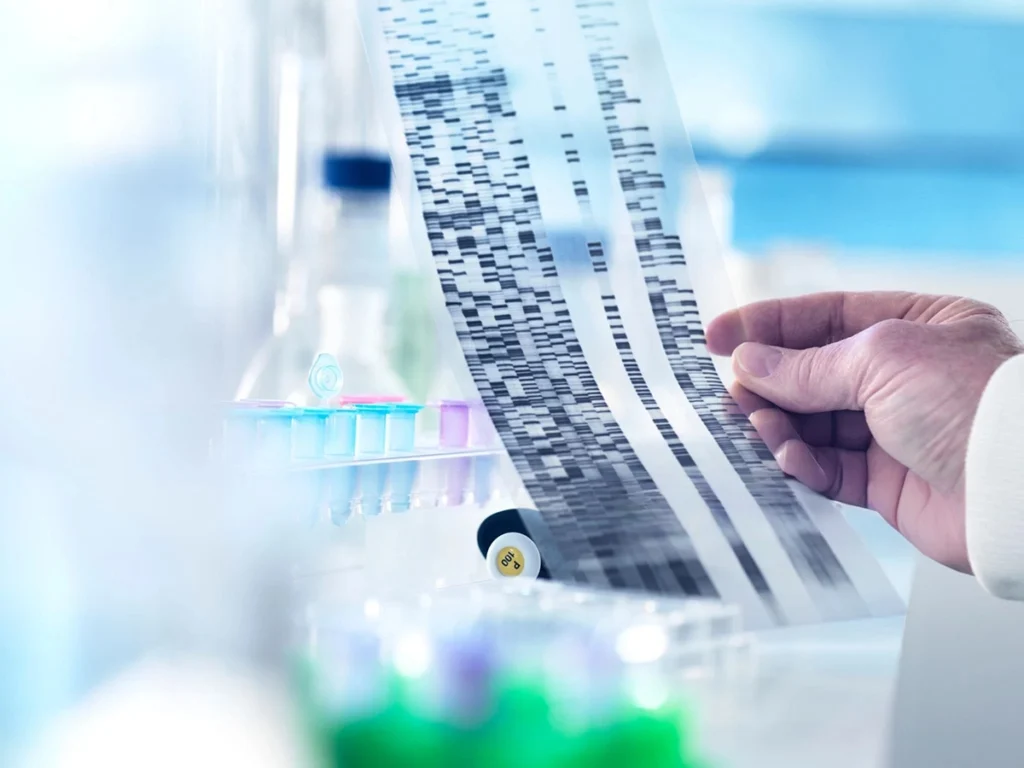
New genetic condition discovery explains severe epilepsy in some children
Kami Kountcheva | Manchester researchers have identified a new genetic condition which causes severe neurodevelopmental problems and epilepsy.
The latest epilepsy news
Purple Day Live Blog 2026
Kami Kountcheva, Lisa Greer & Marnie Hartley | Follow all the activities from Epilepsy Action and beyond marking this year’s global epilepsy awareness day, Purple…
Purple Day

Award-winning film D is for Distance portraying life with epilepsy hits cinemas this March
Kami Kountcheva | Documentary film D is for Distance, portraying a family’s journey with a rare and severe form of epilepsy, will be showing in…
The latest epilepsy news

ADHD risk higher in children with more severe epilepsy symptoms – study
Kami Kountcheva | A study shares risk factors linked to ADHD in children with epilepsy and we add a brief overview about ADHD
The latest epilepsy news

Eligible people need a valid medical exemption certificate to claim free NHS prescriptions
Kami Kountcheva | People with certain long-term medical conditions eligible for free NHS prescriptions, including people with epilepsy who need long-term medication, need to have…
Purple Day
Eight fun ways to fundraise this Purple Day
Kami Kountcheva | Purple Day is less than a month away and there’s still time to grab a Purple Day Pack and get inspired by…
The latest epilepsy news
Zorevunersen “encouraging” new medication for Dravet syndrome, trial finds
Kami Kountcheva | A new study has found that zorevunersen is a promising new treatment for Dravet syndrome, a medication-resistant form of epilepsy
Page 1 of 72