



Current rating: ☆☆☆☆☆
✔ Monitors for tonic-clonic seizures
✔ Notifies caregivers
✔ Detects movement
✔ Links to app
✔ Suitable for children
✔ CE marked

Wearable seizure alarms, monitors, and devices are often worn on the wrist or body. They are designed to be worn as part of day-to-day life with epilepsy. There are a range of different categories of wearable devices that are useful for people with epilepsy:
This type of technology may be helpful if you:
To make it easier to compare devices, we’ve organised wearable epilepsy devices into three categories: Seizure Monitors, Fall Detectors, and Other Wearables.
This guide provides general information only to help people affected by epilepsy find and compare technology, apps and medical devices that may be relevant to them. It is not medical advice and should not replace advice from a doctor or other qualified healthcare professional. Inclusion does not mean that Epilepsy Action recommends, endorses or clinically approves a product, and exclusion does not mean that a product is unsuitable. Overall ratings and review summaries are based on reviews that pass our moderation checks. They reflect user feedback, not clinical evidence or endorsement by Epilepsy Action. Reviews on this page are user-generated and reflect the views of the reviewer, not Epilepsy Action.
Read the full disclaimer here.
These monitors aim to detect certain types of seizures and can often send an alert if one occurs. These detect seizures by monitoring irregular movement, changes in heart rate, and other signals such as oxygen levels.
If you’re not sure what type of seizure monitor is right for you, it might be helpful to think about:
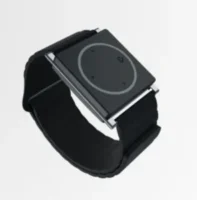
✔ Monitors for tonic-clonic seizures
✔ Notifies caregivers
✔ Detects movement
✔ Links to app
✔ Suitable for children
✔ CE marked
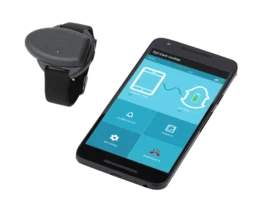
✔ Monitors for tonic-clonic seizures
✔ Audible/haptic alarm
✔ Notifies caregivers
✔ Links to app
✔ CE marked
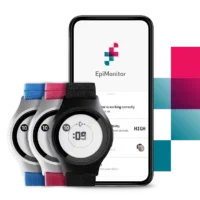
✔ Monitors for tonic-clonic seizures
✔ Notifies caregivers
✔ Movement detection
✔ Links to app
✔ Suitable for children
✔ CE marked
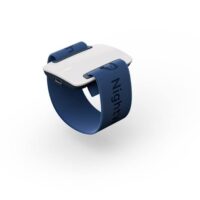
✔ Monitors for tonic-clonic, tonic, hyperkinetic and myoclonic seizures
✔ Audible/haptic alarm
✔ Notifies caregivers
✔ Movement detection
✔ Suitable for children
✔ CE marked
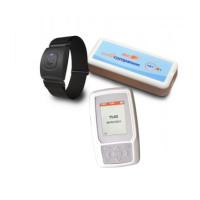
✔ Monitors for tonic-clonic, tonic hyperkinetic and myoclonic seizures
✔ Audible/haptic alarm
✔ Notifies caregivers
✔ Links to app
✔ CE marked
These monitors aim to detect if someone has had a fall and can often send an alert if one occurs.
If you’re not sure what type of fall detector is right for you, it might be helpful to think about:
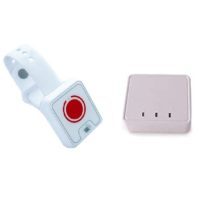
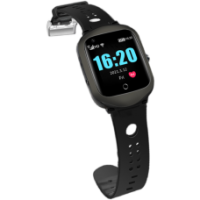
Current rating: Not enough reviews
✔ Notifies caregivers
✔ Links to app
Suitable for children
CE marked
There is a range of other wearable technology that people with epilepsy might still find useful. This includes protective headgear, medical IDs, or heart rate and oxygen monitors.
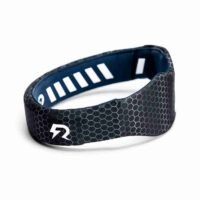
Current rating: Not enough reviews
Rezon Halos is a thin, lightweight, soft and flexible protective headband that is proven to reduce the transmission of rotational forces from head impacts.
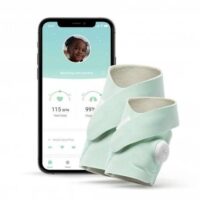
Current rating: Not enough reviews
Track your baby’s pulse rate, oxygen, wakings, and sleep trends.
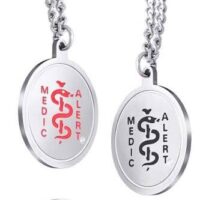
Current rating: Not enough reviews
Many of the devices and apps in the Epilepsy Technology Guide include ratings from people living with epilepsy and their carers. These experiences can help others make informed decisions and feel more confident when choosing technology.
If you’ve used epilepsy technology, we’d love to hear your feedback. We also want to understand any barriers you’ve faced in accessing technology, so we can help improve access in the future.
Share your experience using the form below: