



Jump to the information you need
Key facts
- Memory is the brain’s ability to store and retrieve information
- Many people with epilepsy have memory problems
- Epilepsy affects memory in many ways. These problems can vary from person to person
- People with focal epilepsy may have more memory problems than people with generalised epilepsy
- Memory problems can be a side effect of some epilepsy medicines
- Many things can cause memory problems in epilepsy. This includes seizures, brain surgery, stress, anxiety, menopause and sleep problems
- People with epilepsy are more likely to develop dementia than people without epilepsy. Studies suggest the risk is about 2 to 3 times higher than the general population. But this does not mean that having epilepsy always leads to dementia
- There are things you can do to reduce your risk of developing dementia. This includes keeping your blood pressure and cholesterol levels low
What is memory?
Memory is the brain’s ability to store and retrieve information.
It involves three key processes:
Encoding
This refers to taking in information through attention and short-term or working memory. This lasts for a few seconds. It allows us to focus on tasks such as following conversations or remembering a phone number.
Storing
Once information is encoded, it moves into storage in long-term memory.
Retrieval
This is the process of accessing this stored information when needed. For example, remembering past events or experiences.
What causes memory problems?
There is no such thing as ‘normal’ memory. Everyone forgets things now again, such as names or faces. This can be annoying, but it is not usually a sign that anything is seriously wrong with your memory.
Memory loss can be caused by things like:
- Getting older
- Problems with sleep
- Feeling stressed
- Anxiety or depression
Sometimes memory problems can be more severe or last for much longer than normal. Possible reasons for this include medical conditions, such as epilepsy.
How does epilepsy cause memory problems?
Cognitive problems are common in epilepsy. ‘Cognitive’ means the mental processes involved in thinking, learning, understanding, and remembering.
Cognitive problems in people with epilepsy often affect several areas of thinking. These include difficulties with:
- Learning new information
- Problems concentrating or keeping things in mind
- Remembering events or experiences
- Finding words or general knowledge
- Planning and organising tasks or managing more than one task at a time
- Learning something but forgetting it faster than normal
What kind of memory problems will I have if I have epilepsy?
Epilepsy affects memory in many ways. These problems can vary from person to person.
It can be difficult to predict how your memory will be affected if you have epilepsy. This is because it will depend on many factors including:
- What part of the brain is affected by seizures
- How often you have seizures (more seizures can disrupt learning and memory more often)
- What epilepsy medicines you are taking. Some of these can cause slow thinking or affect memory
- The age when you developed epilepsy. Epilepsy that starts in childhood can affect brain development, learning, and memory.
- If you have brain surgery
- Things like stress, anxiety, depression, and poor sleep
All these can make it harder for the brain to form new memories or store them for a long time.
Two people with the same epilepsy diagnosis can have very different memory problems.
Children with epilepsy may have problems with memory and thinking for the same reasons.
Where epilepsy is in the brain and memory problems
Memory issues can be caused by the type of epilepsy you have and what part of the brain is affected.
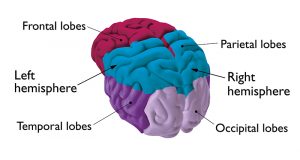
People with focal epilepsy, especially temporal lobe epilepsy, may have memory problems.
This is because the hippocampus is in the temporal lobe. This part of the brain is important for forming and storing long-term memories .
Frontal lobe epilepsy can also cause issues with memory. People with frontal lobe epilepsy are more likely to have problems with planning, organisation, attention, and thinking control.
But research has shown that anyone with epilepsy can have working memory problems. This means difficulty holding and using information. For example, remembering instructions or doing mental calculations.
Seizures and memory problems
Over time, repeated seizures may cause lasting problems. They can change how brain networks are organised and disrupt normal brain rhythms.
This can make it more difficult to store new information or remember things.
But memory problems can affect people whose seizures are well controlled too.
Memory problems after a seizure
Epileptic seizures can affect memory in the short and long term. Some people experience a postictal state immediately after a seizure. This is a period of recovery before they return to their normal state of consciousness. Memory loss is common here.
Epilepsy medicine side effects and memory
All medicines can cause side effects, and this includes epilepsy medicines.
Some epilepsy medicines can lead to:
- Memory loss
- Confusion
- Difficulty concentrating
- Trouble learning or retaining new information
- Drowsiness, which can make memory problems worse
These effects vary from person to person. Some medicines are more likely to cause them than others.
Some epilepsy medicines that may affect memory and thinking more often include:
- Phenobarbital
- Topiramate
- Valproate
- Benzodiazepines
- Phenytoin
The following medicines tend to have fewer effects on memory:
- Lamotrigine
- Levetiracetam (Keppra)
The main purpose of epilepsy medicine is to reduce or prevent seizures. But it is important to find a treatment that reduces seizures while still allowing you to feel well day‑to‑day.
Ask your healthcare professional to explain:
- How much the medicine is likely to reduce your seizure risk
- Whether memory problems are a common side effect
- If these side effects might improve over time
- Whether there are alternative medicines with fewer effects on memory and thinking
The patient information leaflet that comes with your medicine can tell you more.
Stopping an epilepsy medicine without medical advice can be dangerous. Speak to your GP or epilepsy specialist if memory problems are affecting your daily life. They may be able to adjust your dose or change how you take your medicine.
Can epilepsy and emotional stress cause memory problems?
Having epilepsy can affect your wellbeing. Many people have mental health problems such as stress, anxiety or depression.
This can make it harder to concentrate, think clearly or remember things.
Living with mental health problems can be hard. But they are treatable and support is available.
We are also here to support you. You can contact us on our helpline, get 1-1 support or connect with others having a similiar experience.
Epilepsy, sleep and memory problems
Sleep and epilepsy affect each other. Seizures can make you feel very tired. For some people, not getting enough sleep can also trigger seizures. This can create a cycle of tiredness and more seizures.
Having seizures in your sleep can also make you feel very tired during the day.
Not having quality sleep can cause confusion, drowsiness and memory problems. We have more information about sleep problems and epilepsy, and ways to manage them.
Can the menopause cause memory problems?
The menopause is when you stop having periods and have not had a period for 12 months. This usually happens in women and some non-binary and trans people when they are 45 to 55 years old. It can happen earlier in some people.
Problems with memory or concentration are common symptoms of perimenopause and menopause.
We have more information about epilepsy, perimenopause and menopause and how this can be treated.
Can epilepsy surgery cause memory problems?
Epilepsy surgery may help some people with seizures that can’t be controlled by taking epilepsy medicines. This is known as drug-resistant epilepsy.
Having brain surgery can affect thinking and memory. How memory is affected varies for everyone. Sometimes surgery can improve memory and thinking and sometimes this can get worse.
There are some things that can increase the risk of thinking and memory problems after surgery for adults. This includes if you:
- Need big or invasive surgery
- Have surgery in the language side of the brain (usually the left side)
- Still have seizures after surgery
- Are older
- If you developed epilepsy later in life
One research study showed that 46 in 100 people that had temporal lobe surgery noticed that their memory got worse soon after surgery. But only a small number of people (9 in 100) had memory decline many years later. This suggests that the brain can recover in the long-term after surgery.
Like any surgery, there are possible benefits and risks of epilepsy surgery. Your epilepsy specialist can help you understand both.
Find out more about epilepsy surgery.
Children, surgery and memory problems
Research shows that brain surgery for epilepsy in some children can improve thinking, behaviour, and mental skills. But the results are not the same for everyone.
Better-quality research is needed, especially studies that follow patients over a longer time.
Find out more about surgery for children.
Memory problems and work
Many people with epilepsy tell us they worry about memory problems at work.
Talking with your employer and your colleagues about the support you need may help. Your employer may be able to make reasonable adjustments. For example, extra time to learn new tasks, or flexible working hours.
Find out more about reasonable adjustments and how your employer can support you.
We also have information for employers looking to support people with epilepsy at work.
Memory problems and education
Children with epilepsy and memory problems may find learning more challenging. If so, they may need extra support at school, college or university.
Find more about how to get support for your child in any educational setting.
Does epilepsy increase the risk of dementia?
Dementia is the name for a group of symptoms that can affect memory, thinking, language and emotions. It is a progressive condition, which means it gets worse over time. Dementia mainly affects people over the age of 65.
Research suggests that 17 in 100 people with epilepsy develop dementia.
This does not mean that having epilepsy leads to dementia in everyone. It just means there is a stronger chance of both happening in the same person.
This may be because:
- Frequent epileptic seizures may slowly damage memory parts of the brain
- Epilepsy and dementia share some of the same brain changes
- People with epilepsy are more likely to have other health problems. For example, stroke or small blood vessel disease. These conditions can also increase the risk of dementia
- Small hidden seizure activity in epilepsy may also affect thinking over time
The risk of dementia in epilepsy is also higher:
- In older adults
- In people whose epilepsy starts later in life
Is there anything I can do to prevent dementia?
There’s no certain way to prevent all types of dementia. But a healthy lifestyle can help reduce the risk of developing dementia when you’re older. This includes:
- Maintaining low blood pressure
- Maintaining low cholesterol
- Exercising regularly
- Eating healthily
NHS has more information about dementia prevention.
What should I do if I have epilepsy and memory problems?
Speak to your GP or epilepsy specialist if you have any concerns about your thinking or memory. It may help to take someone with you who understands what has been happening.
Your GP may do some blood and urine tests to rule out other causes. They may also do some thinking or memory tests.
You may be referred to a specialist diagnostic service for more tests. For example, a memory clinic or community old age psychiatry service.
You can also tell your epilepsy specialist if you are having memory or thinking problems.
Managing memory problems
-
Following a set routine
- Stick to a regular daily routine
- Write activities in a diary or calendar
- Do tasks at the same time each day
-
Adapting your surroundings
- Keep a notepad by the phone for messages
- Keep a list of emergency contacts in your mobile phone or as a list near your landline
- Use a notice board for important information
- Keep essential items (e.g. keys) in the same place
- Label cupboards to remind you where things go
-
Using memory aids
You may find memory aids helpful. What works for you will depend on your needs, skills and preferences. For example, some people prefer setting reminders on their phone. Others prefer writing things on a paper calendar.
Memory aids can include:
- Mobile phones and reminder apps (e.g. Google Home, Amazon Alexa)
- Diary or calendar
- Digital voice recorder
- Notebook
- Lists (e.g. shopping lists)
- Alarm clock or timer
- Pill reminder box
- Post-it notes
- Wall chart or memo board
- Photo album or memory book
-
Occupational therapy for memory and thinking problems
An occupational therapist can offer practical advice about managing memory and thinking problems.
Occupational therapists work with people of all ages. They can support you with all aspects of daily life in your home, school or workplace.
You may be able to get occupational therapy free through the NHS or social services.
NHS has more information about occupational therapy.
Support from family and friends
Your family and friends can help you by learning what works best for you. It may help to tell them about your memory problems so they understand.
For example, you can ask them to remind you or give you more time to remember things.
Got any questions?
Our expert advisors can help you with any questions you might have about memory or anything else related to living with epilepsy.
Further information and support
Alzheimer’s Society offer expert advice, practical help and emotional support through our support line, online information, dementia advisers and online community.
Age UK provides information and advice on a wide range of topics, including dementia support, local activities, and care options.
The Brain Charity supports individuals with over 600 different neurological conditions, including dementia, offering practical help and emotional support.
The Carers Trust provides information and advice on its website for carers, including how to get support for yourself.
Carers UK is a national charity for carers, providing information and advice from benefits to practical support
Children’s Trust has information about memory problems in children from brain injuries
Headway offers support for memory loss after a brain injury, including information on how to manage cognitive difficulties and their impact on daily life.