



Go straight to the info you need
Epilepsy and risk
There are many activities and situations that carry some sort of risk, even if you don’t have epilepsy. But people still do these activities – otherwise no-one would ever cross the road!
If you have epilepsy, your seizures can put you at greater risk of accidents or injuries. And you may worry about keeping safe.
If you’re a parent of a child with epilepsy, it’s understandable you’ll have concerns about their safety.
Not everyone with epilepsy has the same level of risk. For example, if your seizures are controlled, you may not be at any more risk than a person who doesn’t have epilepsy. But if you are still having seizures you may be at more risk.
Some of the injuries you might be at risk of include head injuries, drowning, fractures and burns.
Some of the riskiest situations involve heights, traffic, water and sources of heat or power.
By completing a safety check and putting some safety measures in place, you can lower this risk.
It’s all about balancing out the risks and benefits. Like anyone else, you decide if the benefits of doing a particular activity outweigh any risk.
Sudden unexpected death in epilepsy (SUDEP)
As well as accidents and injuries, if you have epilepsy, you can also be at risk of sudden unexpected death in epilepsy (SUDEP). Some people seem to be more at risk of SUDEP than others.
Epilepsy Action has more information about SUDEP and ways to reduce risk.
What if someone else sees my risk differently?
Different people see risk differently. This is especially likely with members of your family. It’s understandable if they feel anxious for you. And you may feel anxious yourself.
Once you’re an adult, the choice between quality of life and safety usually has to be yours.
It may help to let them know you’re aware of their anxiety. And it would be good to see if, together, you can find a way for them to feel less anxious.
This might include agreeing to take a friend with you, or texting them every so often while you’re out, for example. Our safety check questions can help with this.
If work or another organisation needs a risk assessment they should do this with you, not for you.
Epilepsy Action has more information about risk assessments.
We also have information about organisations that can help with anxiety.
Epilepsy and safety at home
-
General safety at home
- If you live alone or are at home alone often, consider getting a key safe. This is a locked box fitted by your front door that holds a key. You can give the code to open the box to family, friends or carers. This means they can get into your home if you’ve had a seizure and you can’t get to the door. The NHS website has more information about key safes
- Installing smoke alarms can help to protect you and your home from fire risks. Your local Fire and Safety Service can do a free fire safety check and install free smoke alarms
- The Royal Society for the Prevention of Accidents (ROSPA) have advice and information about home safety
- Some people use a seizure alarm or monitor to alert other people to seizures. While there isn’t enough evidence to say that an alarm can guarantee safety, they can be useful to help to reduce risk
- You may be able to get some help with making your home safer from your local authority, if they think that you need it. This would usually involve an assessment by an occupational therapist. Ask your family doctor or your local social services agency. Or you could contact an independent occupational therapist directly
- A seizure alert dog is a specially trained dog that helps people with epilepsy. They can alert you, or someone else in the home, if you are about to have a seizure. They are sometimes known as seizure dogs. Visit the Support Dogs website for more information.
Burns and scalds
Here are some general suggestions to reduce the risk of burns and scalds:
- Keep wires and cables out of the way to avoid pulling over equipment that could cause a fire or burns
- Use guards on heaters and radiators to stop you falling directly onto them
- Use heated appliances like hair dryers, hair straighteners, curling tongs and irons which turn themselves off. Or use them with a timer, so they could switch off automatically after a certain length of time
- Switch off heated appliances immediately after use and place them out of reach until they’re cool
- Have carpets with high wool content rather than high synthetic content, to reduce the risk of friction burns
Cuts, bruises, fractures and head injuries:
Here are some general suggestions to reduce these:
- Try to have cushioned flooring, such as carpets, linoleum, cork and rubber rather than hard floor surfaces
- Keep stairs and other routes through your home clear of obstructions
- Put a soft rug or carpet at the bottom of the stairs, to cushion any falls
- Cover any furniture edges or corners that are sharp or stick out
- Use safety glass instead of ordinary glass in windows and doors wherever possible
- Have locks or catches on upstairs windows or balcony doors to stop them being opened wide
- Make sure there are no trailing wires that you could trip over. Cable tidies, available from DIY (hardware) stores, can keep wires out of the way
- Where possible, use cordless versions of things like irons and kettles
-
In the bathroom
If you have seizures, it’s important to take extra care when bathing, because there could be a risk of drowning during a seizure.
Here are some safety suggestions:
- Use a shower instead of having a bath if you can – it’s safer because the water runs away
- If your shower is over the bath make sure you have removed the plug
- Let someone know you’re taking a shower or a bath. You could ask them to stay in the bathroom with you, or to wait outside the door, so they can hear if you have a seizure
- Put ‘engaged/vacant’ signs on the bathroom door, instead of using locks
- Have a bathroom door that opens outwards, or folds or slides open and closed. Then, if you fall against it during a seizure, its easier for someone to get to you
- Try and have bath and shower fittings as close to the wall as possible, to avoid banging against them
- Cover taps and other fittings, with protective material like a thick towel
In the shower
- Have a shower cubicle with a flat floor rather than a shower tray, so that water can’t collect
- If possible, sit down in the shower tray rather than stand up, to help avoid injuries if you fall
- Check that the temperature controls work well and that there’s a safety ‘cut-off’ in the shower
In the bath
- Keep the water depth shallow and turn off the taps before you get in. There is still a risk of drowning, even in shallow water, so if possible, have someone with you in the bathroom
- Keep the bath unplugged and sit in the bath with the water running from the taps or the shower attachment
-
In the kitchen
Here are some safety suggestions:
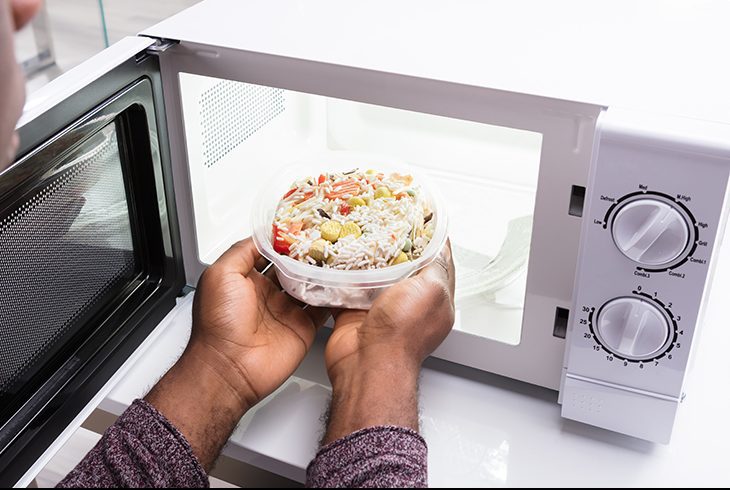
- Use a microwave rather than other types of cooker
- Use cookers and cooking appliances with an inbuilt timer
- Place saucepans on the back of the hob burners. Turn handles away from the edge of the cooker, so you can’t knock them over
- Take plates or dishes to the cooker, rather than carrying hot pans to the table
- Use a toaster instead of a grill to avoid the risk of burning food
- Use kettle tippers and teapot pourers, to avoid the risk of spilling hot liquid
- Stack the dishwasher with blades and sharp points facing down
-
In the bedroom
Here are some safety suggestions:
- If you have seizures at night, choose a bed that is lower to the floor. Put cushions or a thick rug around the bed
- Keep your bed away from walls, cupboards with sharp edges and radiators to help prevent injuries if you have a seizure in bed
Anti-suffocation pillows
Anti-suffocation pillows have small holes that may help you breathe more easily if you are lying face down during a seizure. These may be safer than ordinary pillows. But we don’t have any research to prove this or that they can reduce the risk of SUDEP.
Epilepsy Action has more information about where to buy anti-suffocation pillows. We also have an Epilepsy Tech Guide. This gives user-rated reviews of different epilepsy safety devices, including anti-suffocation pillows.
Weighted blankets
Some children and adults use weighted blankets to help improve sleep and reduce anxiety. But there’s limited evidence to show that they do this.
Weighted blankets may not be safe if you have some medical conditions. This includes conditions that could affect your alertness, ability to breathe, regulate your temperature and to remove the blanket.
We can’t make recommendations about weighted blankets. We advise that you talk to a healthcare professional before using one.
The Royal College of Occupational Therapists (RCOT) have a guide about weighted blankets and carrying out risk assessments for these.
-
Lifts
If you have mobility difficulties, you may need to use a stair lift or vertical lift. Neither of these options are risk-free if you have seizures. Here are some safety suggestions to consider:
Vertical lifts
If you have your own vertical lift installed in your home, try to have padding on the walls and floor to cushion you if you fall.Stair lifts
- Most stair lifts have simple straps which you should use, as they’re not likely to cause injury if you have a seizure
- You may need to wear a full harness to prevent you from falling. But be aware that this could cause injury during a seizure. This may, however, be safer than falling from the stair lift
-
In the garden
- Avoid getting close to bonfires or barbecues, in case you fall on them or wander into them during a seizure
- If you have ponds or pools, make sure they are securely fenced or covered with mesh
Epilepsy and safety out and about
Many people with epilepsy worry about having a seizure when out and about. This is a common reason why some people feel safer staying at home. Putting some simple safety measures in place or doing a safety check can help you feel safer.
Some suggestions for staying safe outside:
- Carry a medical ID card or jewellery which explains that you have epilepsy, what first aid you may or may not need, and who to contact
- Consider whether some kind of alarm or tracking device would be useful for you. Our user-rated Epilepsy Tech Guide can help you decide which devices might be a good fit for you
- If you are feeling anxious about getting out, ask your doctor or local care services if there are any groups that might help you with this
- If it would help to link with others with epilepsy, Epilepsy Action have support services you could look into
- If you’re worried about how friends or colleagues will react if you have a seizure, talk to them about your worries. If they do have concerns, they may need more information about epilepsy. You could share this yourself or point them to Epilepsy Action’s resources
- It can help to plan ahead. This way you can check for any possible problems and put a safety plan in place if you need to
- If you can’t drive because of your epilepsy, Epilepsy Action has information about support that might be available
Looking after babies and young children
Having epilepsy can add to the challenge of looking after babies or young children.
Epilepsy Action has information about ways to help to keep you and any child you care for safe.
Got any questions?
Our expert advisors can help you with any questions you might have about safety or anything else related to living with epilepsy.
Sport and leisure
Taking part in sport and leisure activities is important for everyone, including people with epilepsy.
Epilepsy Action has information and safety tips for taking part in sport and leisure activities.
Beauty treatments
Most of the time there’s no reason why you shouldn’t have access to the same beauty treatments as everyone else.
Epilepsy Action has information about beauty treatments that are and aren’t safe if you have epilepsy. We also have information about things you can do if you think you’ve been unfairly refused a treatment.
Complementary treatments
If you are thinking about trying a form of complementary treatment, you may want to speak to your doctor to see if it’s safe for you.
Epilepsy Action has information about complementary treatments and the potential risks and benefits if you have epilepsy.
Doing a safety check
A safety check helps you decide whether something is safe for you personally. And if there are risks, it helps you work out what you can do to make that activity safe enough for you to do. It doesn’t need to be complicated. All you need to do is:
- Think about your seizures – what happens, how often they happen, are there specific triggers
- Keep a seizure diary or download an app to help get any information about patterns or triggers. Knowing about triggers and patterns can offer some useful information about how to make an activity safe for you
- Think about what the risks would be if you had a seizure
- Make a plan to do things that reduce those risks
Questions to help with a safety check:
What is the activity/situation?
- When and where will the activity happen?
- Will there be other people with you?
- Will there be any potentially dangerous tools or equipment involved?
- How far would you be from help, if you needed it?
What is it about your seizures that may put you at risk?
- What happens when you have a seizure?
- How long do your seizures last?
- How often do you have seizures?
- Do your seizures follow any kind of pattern?
- Do you have any triggers?
- Do you get a warning before a seizure?
- How quickly and well do you recover from a seizure?
What can you do to make this activity safer for you?
- Do you need someone to be with you?
- Do you need any extra equipment?
- Do you need the activity to be changed in any way?
- Do you need any changes to the environment?
- Do you have to decide not to do the activity?
More information
Disabled Living Foundation
Runs an equipment demonstration centre and provides information about equipment for daily living.
RIDC
National research charity providing independent information to older and disabled consumers.
Dan’s fund for burns
Provides help for people affected by burn injuries.
ROSPA (Royal Society for the prevention of accidents)
Promotes safety and the prevention of accidents at work, at leisure, on the road, in the home and through safety.